
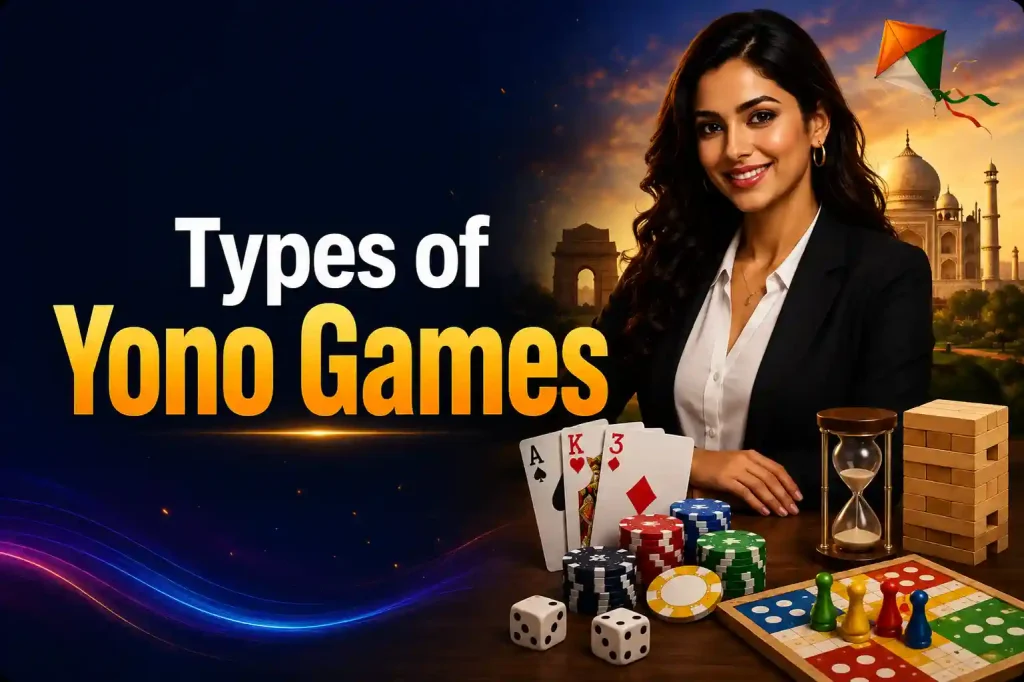
In India, the most common types of Yono games include colour prediction games, number prediction games, card-based games, spin and win formats, and quiz or trivia-based games. Some rely almost entirely on chance, while others involve a degree of skill or decision-making. This guide explains each type, so you can understand how they work, what makes them different, and what to expect before trying any of them.
What Are Yono Games?
At a basic level, Yono games are mobile-based gaming formats that combine entertainment with reward systems. These rewards might come in the form of cash, points, or redeemable credits, depending on the platform. The appeal lies in their simplicity. Most games are designed to be short, fast, and instantly gratifying, which is exactly why they attract such a wide audience.
Unlike traditional video games that require long hours of engagement, Yono games are structured for quick participation. You open the app, play a round or two, and see results almost immediately. That pace is a big part of their charm, though it also introduces certain risks, especially when real money is involved.
Main Types of Yono Games in India
Once you step into this space, you’ll notice that these games fall into clear categories. Each types of yono game in India offers a slightly different experience, and the difference is not just cosmetic—it directly affects how outcomes are determined.
Colour Prediction Games
Colour prediction games are perhaps the most widely recognized format within this category. They operate on a very simple premise: players predict which colour will appear as the result within a fixed time window. The colours are usually limited to red, green, and occasionally violet, and each round resets quickly, often within a minute or two.
What makes these games so engaging is their pace. There’s very little downtime, and decisions are made quickly. However, the simplicity can be deceptive. Since outcomes are largely unpredictable, the experience leans heavily toward chance rather than skill.
| Feature | Details |
| Game Duration | 30 sec – 3 minutes |
| Skill Level | Low (mostly prediction-based) |
| Payout Speed | Instant or within minutes |
| Risk Level | Medium to High |
Number Prediction Games
Number prediction games follow a structure that feels familiar once you’ve seen colour prediction formats. Instead of choosing a colour, players select a number or a category such as odd/even or big/small. The system then generates a result, and payouts depend on whether the prediction aligns with the outcome.
There’s a certain rhythm to these games. Players often develop patterns or personal strategies, even though the results themselves remain uncertain. The quick turnaround time keeps engagement high, but it also means decisions are made frequently, sometimes without much reflection.
| Feature | Details |
| Number Range | 0 – 9 |
| Game Style | Prediction-based |
| Result Time | Under 5 minutes |
| Learning Curve | Very easy |
Card-Based Games
Card-based types of Yono games introduce a different dynamic altogether. Unlike prediction formats, these games involve a noticeable element of skill. Whether it’s a simplified version of rummy or a fast-paced card comparison game, the outcome often depends on decision-making, timing, and familiarity with gameplay mechanics.
This shift makes the experience feel more controlled, at least to some extent. Players who spend time understanding the rules and refining their approach tend to perform better over time. It’s not entirely free from luck, of course, but skill plays a meaningful role here.
| Feature | Details |
| Skill Dependency | Moderate to High |
| Game Type | Strategy-based |
| Match Duration | 5 – 20 minutes |
| Player Interaction | Yes |
Spin & Win / Lucky Wheel Games
Spin and win formats are designed for instant engagement. There’s no strategy to develop, no patterns to analyze—just a simple action that produces a random result. Players spin a virtual wheel and receive whatever outcome it lands on, which could range from small rewards to larger bonuses or, sometimes, nothing at all.
The appeal here lies in unpredictability. These games are often used as bonus features within apps, encouraging users to log in regularly. While they are entertaining, they are entirely luck-driven, which makes them less about skill and more about chance-based excitement.
| Feature | Details |
| Gameplay | One-tap spin |
| Skill Required | None |
| Reward Type | Random |
| Engagement Level | High (quick engagement cycles) |
Quiz & Trivia Games
Quiz-based types of Yono games bring a refreshing change in tone. Instead of relying on prediction or randomness, they focus on knowledge. Players answer questions across various categories, and correct responses translate into rewards or points.
These games tend to attract users who prefer a more thoughtful experience. While they may not have the same rapid-fire pace as prediction formats, they offer a sense of fairness. Outcomes feel earned rather than guessed, which can make the experience more satisfying over time.
| Feature | Details |
| Skill Level | Moderate |
| Topics | Mixed categories |
| Reward Style | Points or cash |
| Game Length | 3 – 10 minutes |
Bonus Systems in Yono Games
Bonuses play a central role in how these platforms operate. They are not just promotional tools; they actively shape user behavior. When someone signs up, they often receive a welcome reward, creating an immediate sense of value. From there, daily login incentives and referral programs keep users engaged.
However, bonuses are rarely as straightforward as they appear. Many of them come with usage conditions, such as minimum play requirements before withdrawal becomes possible. This is where users need to read carefully. What looks like a generous offer might actually require multiple rounds of gameplay before it translates into something tangible.
Withdrawal Options – How Do You Get Paid?
One of the most important aspects of any types of Yono game is the withdrawal process. After all, rewards only matter if they can be accessed easily. Most platforms support common payment methods in India, including UPI and direct bank transfers, which makes transactions relatively convenient.
That said, the experience can vary from one app to another. Some platforms process withdrawals quickly, while others may take longer due to verification checks or internal policies. Users often overlook details like minimum withdrawal limits or processing fees, but these factors can significantly impact the overall experience. For better awareness, you can refer to the NPCI’s official UPI safety and usage guidelines, which explain how secure digital payments work in India.
Are Yono Games Safe to Play?
Safety is, without question, one of the most discussed aspects of Yono-style gaming. Since the ecosystem is not tightly regulated, the quality and reliability of apps can differ widely. Some platforms operate transparently, while others may lack proper accountability.
A cautious approach goes a long way here. Taking time to read user feedback, starting with smaller amounts, and avoiding apps that request unnecessary permissions are simple but effective steps. It’s also important to maintain perspective. These games are designed for entertainment, not as dependable sources of income.
Skill vs Luck – What’s the Balance?
Understanding the balance between skill and luck can completely change how someone approaches these games. Prediction-based formats tend to rely heavily on randomness, even if they appear strategic on the surface. Card and quiz-based games, on the other hand, reward experience and knowledge to a greater extent.
| Type | Skill Level | Luck Factor |
| Colour Prediction | Low | High |
| Number Games | Low | High |
| Card Games | High | Medium |
| Spin & Win | None | Very High |
| Quiz Games | Medium | Low |
Recognizing this difference helps set realistic expectations. It becomes easier to decide which type aligns with your preferences and how much time or money you’re willing to invest.
Conclusion
The world of Yono games in India is diverse, fast-moving, and, at times, a bit overwhelming. But once you break it down into categories, it becomes far more approachable. Each type offers a distinct experience, shaped by its mechanics, pace, and level of user involvement.
For anyone exploring these games, the key lies in balance. Staying informed, setting limits, and understanding the nature of each format can make the experience far more enjoyable. Because at the end of the day, that’s really what it should be—something engaging, not something that takes control.
Frequently Asked Questions
The most common types include colour prediction games, number prediction formats, card-based games, spin and win features, and quiz-based games. Each category differs in gameplay style and level of skill required.
While some users may earn rewards occasionally, consistent earnings are not guaranteed. The outcomes often depend on chance or limited skill factors, making these games better suited for entertainment rather than regular income.
The legality varies depending on the format and regional laws. Skill-based games are generally more acceptable, while chance-based formats may fall into uncertain legal territory. It is always advisable to check local guidelines before participating.
Related guides: Yono All Games List 2026 and Rummy All Games List.